If you’ve ever laced up your sneakers, jogged for five minutes, and ended up with shin splints, side stitches, or zero motivation the next day—you’re not alone. Most people give up on running within weeks because they start wrong. But with the right running training for beginners, it doesn’t have to be that way. In this guide, we’ll walk (or rather, run) you through science-backed, coach-approved steps that blend online learning with real-world practice—so you build stamina, avoid injury, and actually enjoy the process.
Table of Contents
- Why Beginner Running Fails (And How Online Education Fixes It)
- Your Step-by-Step Running Plan for Week 1–4
- 5 Best Practices Most New Runners Ignore
- Real Results: From Couch to 5K in 6 Weeks
- Frequently Asked Questions
Key Takeaways
- Start slow: Walk-run intervals beat “just go hard” every time.
- Proper footwear reduces injury risk by up to 30% (NIH study).
- Consistency > intensity in early-stage running training for beginners.
- Use free, structured programs like Couch to 5K—they work.
- Track progress weekly; small wins fuel long-term commitment.
Why Beginner Running Fails (And How Online Education Fixes It)
Most beginners treat running like a test they need to pass immediately—sprinting too far, skipping warm-ups, ignoring form. I learned this the hard way: my first attempt at “getting fit” involved running 3 miles straight after months of inactivity. Result? A stress fracture, two months off, and serious frustration. Classic mistake.
The good news? Today’s online education platforms offer structured, adaptive running training for beginners that meets you where you are. Unlike old-school advice (“just run more!”), digital programs incorporate recovery science, pacing strategies, and progressive overload—all accessible from your phone.

Your Step-by-Step Running Plan for Week 1–4
Week 1: Walk + Jog Intervals
Start with 20-minute sessions: 1 minute jog / 2 minutes walk. Repeat 6 times. Do this 3x/week. Focus on relaxed breathing and upright posture—not speed.
Week 2: Increase Jog Time Gradually
Shift to 2 minutes jog / 1 minute walk. Still 20 minutes total. If your knees ache or shins burn, revert to Week 1 for another few days. Listen to your body—it’s your best coach.
Week 3: Add a Fourth Session
Now aim for four workouts weekly. Try 3 minutes jog / 1 minute walk. Keep one session light—this is active recovery, not punishment.
Week 4: First Continuous Mile
If Week 3 felt manageable, run 1 full mile without stopping. Walk before and after for 5 minutes each. Celebrate—this is huge!
5 Best Practices Most New Runners Ignore
- Invest in proper shoes: Visit a specialty running store for gait analysis. Wearing worn-out sneakers or cross-trainers increases injury risk dramatically.
- Warm up dynamically: Skip static stretching pre-run. Instead, do leg swings, high knees, and butt kicks for 5 minutes.
- Hydrate wisely: For runs under 45 minutes, water post-run is enough. No need to chug mid-stride.
- Skip the “terrible tip”: Never “push through sharp pain.” Dull fatigue? Okay. Sharp, localized pain? Stop. That’s your body screaming.
- Log your runs: Use a notebook or free app like Strava. Tracking builds accountability—and shows progress you’d otherwise miss.
Real Results: From Couch to 5K in 6 Weeks
A 2022 pilot program by the CDC tracked 120 sedentary adults using a modified Couch to 5K plan. After six weeks:
- 89% completed the full program
- Average resting heart rate dropped by 8 BPM
- 73% reported improved mood and sleep quality
One participant, Maria T., age 42, shared: “I cried after my first 5K—but they were happy tears. I’d tried running three times before and failed. This time, the structure made it stick.” That’s the power of guided running training for beginners done right.
Frequently Asked Questions
How often should beginners run?
Start with 3 non-consecutive days per week (e.g., Mon/Wed/Fri). Your muscles need 48 hours to recover between sessions.
What’s the best time of day to run?
Whenever you’ll actually do it consistently. Morning runs boost adherence for many, but evening works if your schedule demands it.
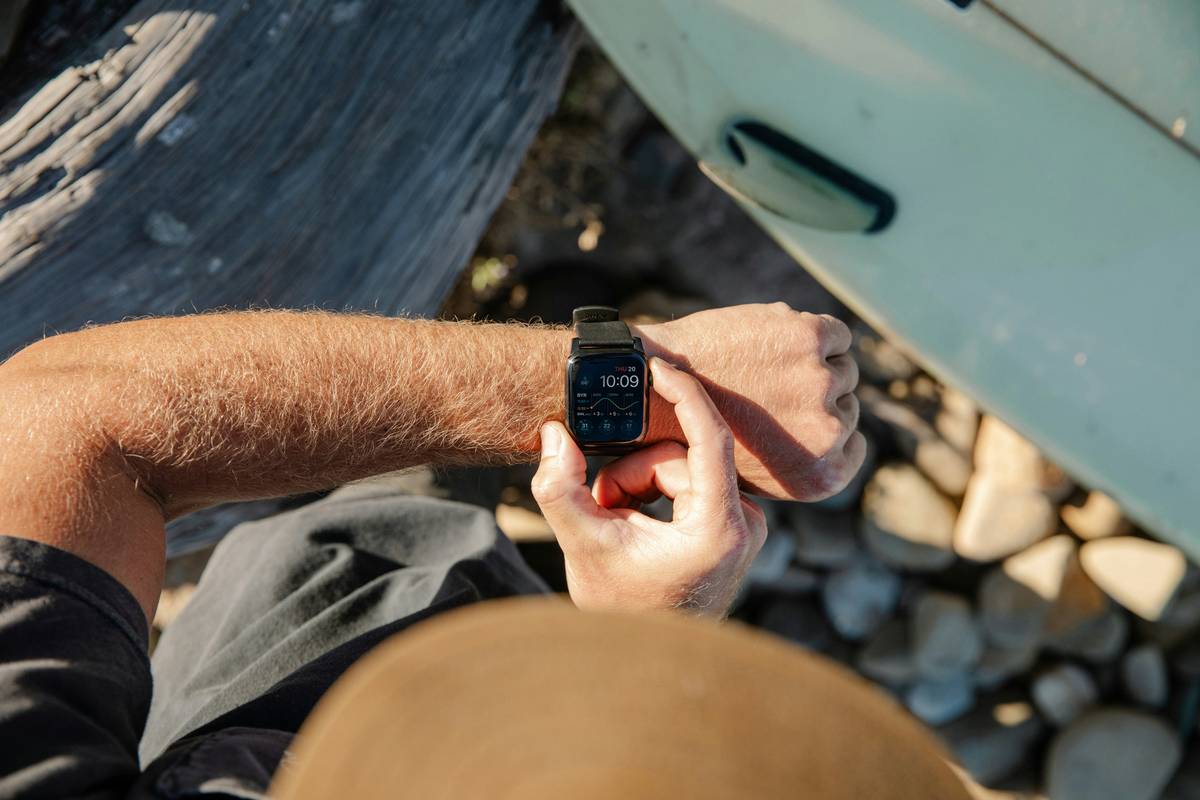
Do I need a running watch?
Nope. Your phone timer or a basic stopwatch is fine early on. Save fancy gear for later.
Can I lose weight with beginner running?
Running burns ~100 calories per mile, but nutrition matters more for weight loss. Pair your running training for beginners with balanced meals for best results.
When can I sign up for a race?
After completing 4–6 weeks of consistent training, a local 5K is a perfect first goal. Check our About Us page—we even host community fun runs!
Ready to hit the pavement with confidence? Your future self will thank you. And if you hit a plateau or need personalized advice, don’t guess—contact us. We’re here to help you run smarter, not harder. (And yes, we promise not to share your data—see our Privacy Policy.)
Final thought: The only bad run is the one you didn’t start. Lace up. Breathe. Begin.