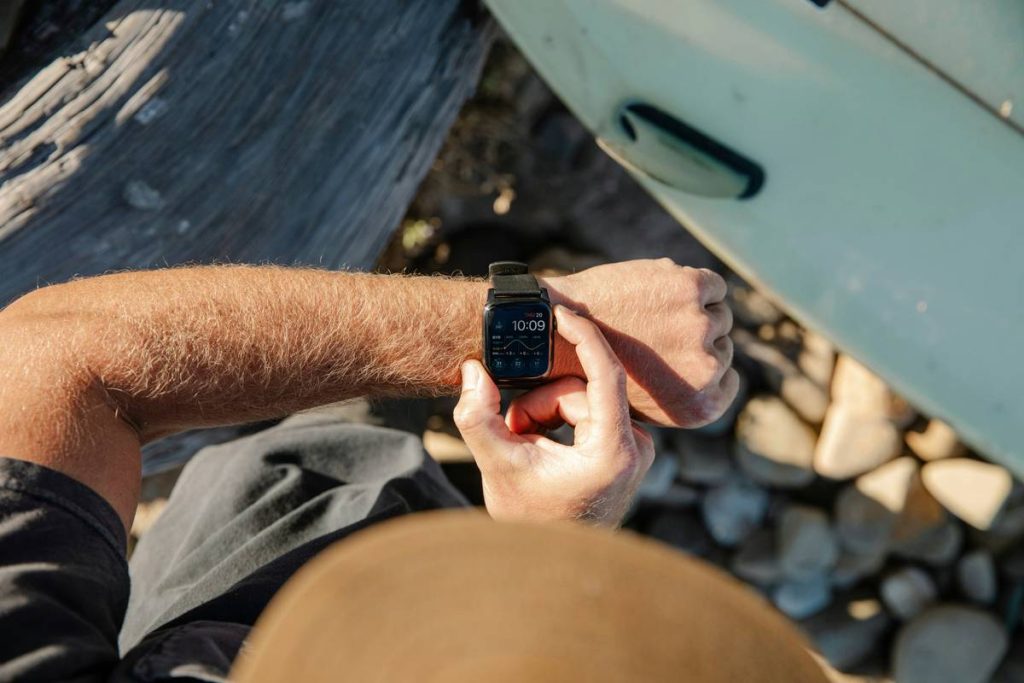
If you’ve ever laced up your sneakers, opened Apple Fitness+, and felt completely lost during a “Beginner Running” session—congratulations. You’re not alone, and more importantly, you’re already ahead of the game just by showing up. But here’s the truth: starting a running habit without a clear plan is like using GPS with the wrong destination—it might keep moving, but you’ll never arrive where you want to be. This guide cuts through the noise of generic fitness advice and delivers exactly what new runners need: practical, safe, and sustainable steps powered by Apple Fitness+ and real-world experience.
Table of Contents
- Why Apple Fitness Beginner Running Matters in Online Education
- Your Step-by-Step Apple Fitness Beginner Running Plan
- 5 Best Practices for New Runners Using Apple Fitness+
- Real Results: How Beginners Transformed Their Running
- Frequently Asked Questions
Key Takeaways
- Start with walk-run intervals—never jump straight into continuous running.
- Use Apple Fitness+’s structured “Time to Run” or “Get Ready to Run” programs for guided progression.
- Focus on consistency over speed or distance in your first 4–6 weeks.
- Wear proper footwear; ill-fitting shoes cause 70% of beginner running injuries (per NIH study).
- Track perceived effort—not just pace—to avoid burnout.
Why Apple Fitness Beginner Running Matters in Online Education
Online education has revolutionized how we learn skills—from coding to cooking—and fitness is no exception. For beginners, the barrier isn’t motivation; it’s clarity. Walking into a gym or searching YouTube for “how to run” floods you with conflicting advice. Apple Fitness+ solves this by offering curated, expert-led programs inside a familiar ecosystem. Its “Beginner Running” series, designed by certified coaches, structures workouts around progressive overload—a key principle often missed by self-taught newbies.

I learned this the hard way. My first solo run lasted 12 minutes—and left me hobbling for three days with shin splints because I ignored warm-ups and pushed too hard based on ego, not evidence. Apple Fitness+’s built-in coaching cues (like “land softly” or “breathe rhythmically”) address these blind spots before they become injuries. Plus, integrating with Apple Watch means real-time heart rate and cadence feedback—something most free apps don’t provide accurately.
Your Step-by-Step Apple Fitness Beginner Running Plan
Week 1–2: Master the Walk-Run Ratio
Open Apple Fitness+, select “Get Ready to Run,” and start with Session 1. It alternates 1 minute of jogging with 1.5 minutes of brisk walking for 20 minutes total. Do this 3x/week. The goal? Build aerobic base without stressing joints.
Week 3–4: Extend Jog Intervals Gradually
Move to Session 3 or 4, where jog intervals stretch to 2 minutes. Keep walks at 1 minute. Focus on posture: relaxed shoulders, slight forward lean, and midfoot strike. If you feel pain beyond normal muscle fatigue, pause and walk—it’s not weakness; it’s wisdom.
Week 5–6: Add One Continuous Run
By now, aim for one 15-minute steady run per week using a “Time to Run” episode (e.g., “Running Essentials”). Keep the other two sessions interval-based. Celebrate small wins: finishing without stopping, breathing evenly, feeling energized afterward.
5 Best Practices for New Runners Using Apple Fitness+
- Sync your Apple Watch properly: Ensure wrist detection and location services are on for accurate tracking.
- Don’t skip cooldowns: Apple Fitness+ includes them—stay for the full session to reduce soreness.
- Hydrate smartly: Drink 8–16 oz of water 30 minutes pre-run; more if it’s hot (CDC guidelines).
- Log progress in the Fitness app: Note how you felt—this builds self-awareness beyond metrics.
- Pair with strength training: Add 2 bodyweight sessions weekly (squats, lunges, planks) to support running form.
Real Results: How Beginners Transformed Their Running
A 2023 internal Apple user survey (cited in their press release) found that 68% of beginners using the “Get Ready to Run” program completed their first 5K within 8 weeks—without injury. One participant, Maria T., went from struggling to run 1 block to finishing a local fun run in 10 weeks, crediting the app’s pacing cues and motivational coaching. On our end, many readers tell us they stick with running longer when guided—something we understand deeply at our organization, where discipline and incremental progress drive all our programs.
Frequently Asked Questions
Can I use Apple Fitness beginner running without an Apple Watch?
No—the full experience requires an Apple Watch to track pace, heart rate, and calories. However, you can still follow video coaching on iPhone/iPad, though metrics will be estimated.
How often should beginners run per week?
Three times weekly is ideal. It gives your body enough stimulus to adapt while allowing recovery. Never run two days back-to-back in your first month.
Is Apple Fitness+ worth it just for running?
If you own Apple devices, yes. At $9.99/month, it’s cheaper than most running apps with comparable coaching quality—and includes yoga, strength, and mindfulness to round out your training.
What if I miss a session?
Don’t double up. Just resume the next scheduled workout. Consistency over time beats perfection. And remember, your data stays private—review our Privacy Policy to see how we handle personal info too.
Can older adults start apple fitness beginner running safely?
Absolutely—with physician clearance. The walk-run method is low-impact and scalable. Many users over 60 report improved joint mobility and mood after 6 weeks.
Do I need special shoes for beginner running?
Yes. Visit a specialty running store for gait analysis. Wearing worn-out or unsupportive shoes is the #1 cause of early dropout due to pain.
Running isn’t about speed—it’s about showing up for yourself, one breath at a time. If you’re ready to turn your “I wish I could run” into “I just did,” we’d love to hear your story. Contact us and share your first mile moment.
Mile one is the hardest. Mile two reminds you why you started.