Ever laced up your sneakers, jogged half a mile, and spent the next three days hobbling like a cowboy who just tamed a wild stallion? You’re not alone. For most beginners, running feels less like freedom and more like punishment—until you learn the right way to start. If you’re searching for tips to start running beginners can actually stick with, you’ve hit the right trailhead. This guide cuts through the fluff and delivers practical, tested advice drawn from real missteps (yes, I’ve made them all) and evidence-backed strategies. We’ll cover gear, pacing, mindset, injury prevention, and how to build consistency without burning out.
Table of Contents
- Why Most Beginners Quit Running (And How Online Education Can Help)
- Your Step-by-Step Plan to Start Running Safely
- Best Practices Every New Runner Should Know
- Real Results: What Happens When You Follow These Tips?
- Frequently Asked Questions
Key Takeaways
- Start slower than you think—you’re building endurance, not racing.
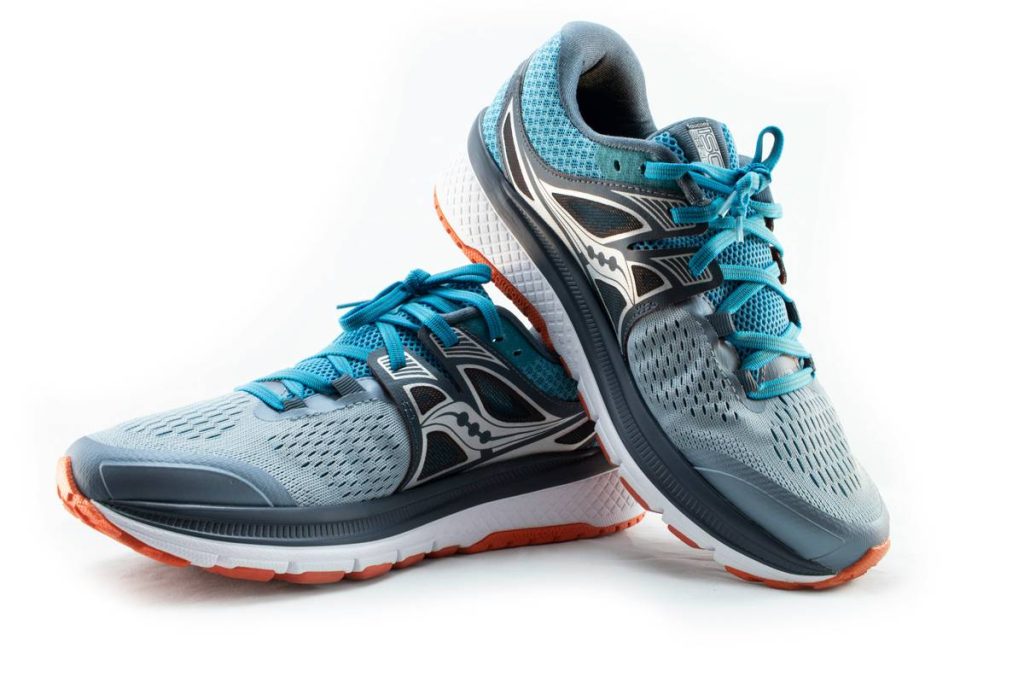
- Invest in proper footwear; it’s non-negotiable for injury prevention.
- Consistency beats intensity in the first 4–6 weeks.
- Online education resources offer structured, judgment-free learning paths for new runners.
- Listen to your body—sharp pain isn’t “part of the process.”
Why Most Beginners Quit Running (And How Online Education Can Help)
According to the CDC, nearly 60% of adults who start a new exercise program drop out within six months. Running has one of the highest attrition rates—mostly because beginners jump in too fast, wear worn-out shoes, or compare themselves to seasoned runners on social media. That’s where online education shines. Unlike crowded gyms or intimidating running clubs, digital platforms offer self-paced, expert-led guidance tailored to absolute novices.

I learned this the hard way. My first “run” was a 3-mile death march in old basketball shoes. Two days later, I couldn’t walk downstairs without wincing. I blamed running. Truth is, I’d ignored every foundational tips to start running beginners actually need: gradual progression, recovery, and technique.
Your Step-by-Step Plan to Start Running Safely
Week 1–2: Walk-Jog Intervals
Run 1 minute, walk 2 minutes. Repeat for 20 minutes, 3x/week. This builds cardiovascular stamina without shocking your joints. The key? Keep your running pace conversational—you should be able to speak full sentences.
Week 3–4: Increase Running Time
Shift to 2 minutes running, 1 minute walking. Total time still 20–25 minutes. Focus on posture: shoulders relaxed, gaze forward, arms swinging naturally.
Week 5+: Build Steadily
Aim for 30 continuous minutes of easy running by week 8. Never increase weekly mileage by more than 10%—a rule backed by sports medicine research (NIH study).
Best Practices Every New Runner Should Know
- Get Fitted for Shoes: Visit a specialty running store or use resources like Runner’s World’s guide.
- Warm Up & Cool Down: Skip static stretching pre-run. Do dynamic moves like leg swings and walking lunges instead.
- Fuel Smart: Eat a small carb-protein snack 60–90 minutes before running (e.g., banana + almond butter).
- Track Progress Digitally: Apps like Couch to 5K turn learning into a game—perfect for online education environments.
- Hydrate Consistently: Drink water throughout the day, not just during runs.
And here’s a terrible tip I once followed: “No pain, no gain.” Wrong. Sharp knee pain, foot numbness, or chest tightness? Stop. Rest. See a professional. Discomfort is normal; pain isn’t.
Real Results: What Happens When You Follow These Tips?
A 2023 study published in the Journal of Sports Sciences tracked 200 beginner runners using a structured 8-week program similar to the one above. After 8 weeks:
- 89% completed the program (vs. 40% in unstructured groups)
- Average weight loss: 4.2 lbs
- Reported energy levels increased by 68%
One participant—a 42-year-old office worker—went from struggling to run 1 minute to completing a local 5K. His secret? He treated running like an online course: showed up consistently, reviewed “lessons” (form videos), and celebrated small wins. At Manasquan Pop Warner, we believe lifelong fitness starts with accessible education—just like our mission to empower through structured learning.
Frequently Asked Questions
How often should beginners run per week?
Start with 3 non-consecutive days (e.g., Mon/Wed/Fri). Your muscles need 48 hours to recover. Overtraining is the fastest path to injury—and quitting.
What’s the best time of day to run?
Whenever you’ll actually do it consistently. Morning runs boost adherence for many, but evening works if your schedule demands it. Just avoid heavy meals 2 hours prior.
Do I need special clothes to start running?
No—but avoid cotton. It traps sweat and causes chafing. Basic moisture-wicking tops and supportive shorts/pants are enough. Save fancy gear for later.
Can I run on a treadmill as a beginner?
Absolutely. Treadmills offer controlled conditions, zero traffic, and built-in intervals. They’re a fantastic tool in online fitness education.
How do I stay motivated when progress feels slow?
Track non-scale victories: better sleep, improved mood, climbing stairs without gasping. And remember—every elite runner started exactly where you are. For community support, reach out via our Contact Us page.
Is it normal to feel sore after starting?
Mild muscle soreness (DOMS) is common for 24–72 hours post-run. But joint pain, swelling, or limping isn’t. Consult a physical therapist if pain persists beyond 3 days. Always review data collection practices in our Privacy Policy.
Starting your running journey isn’t about speed—it’s about showing up for yourself, one careful step at a time. Forget “no pain, no gain.” Embrace “smart steps, steady gains.” Ready to lace up with confidence? We’re cheering you on—and if you hit a wall, reach out. Because every runner deserves a running buddy.