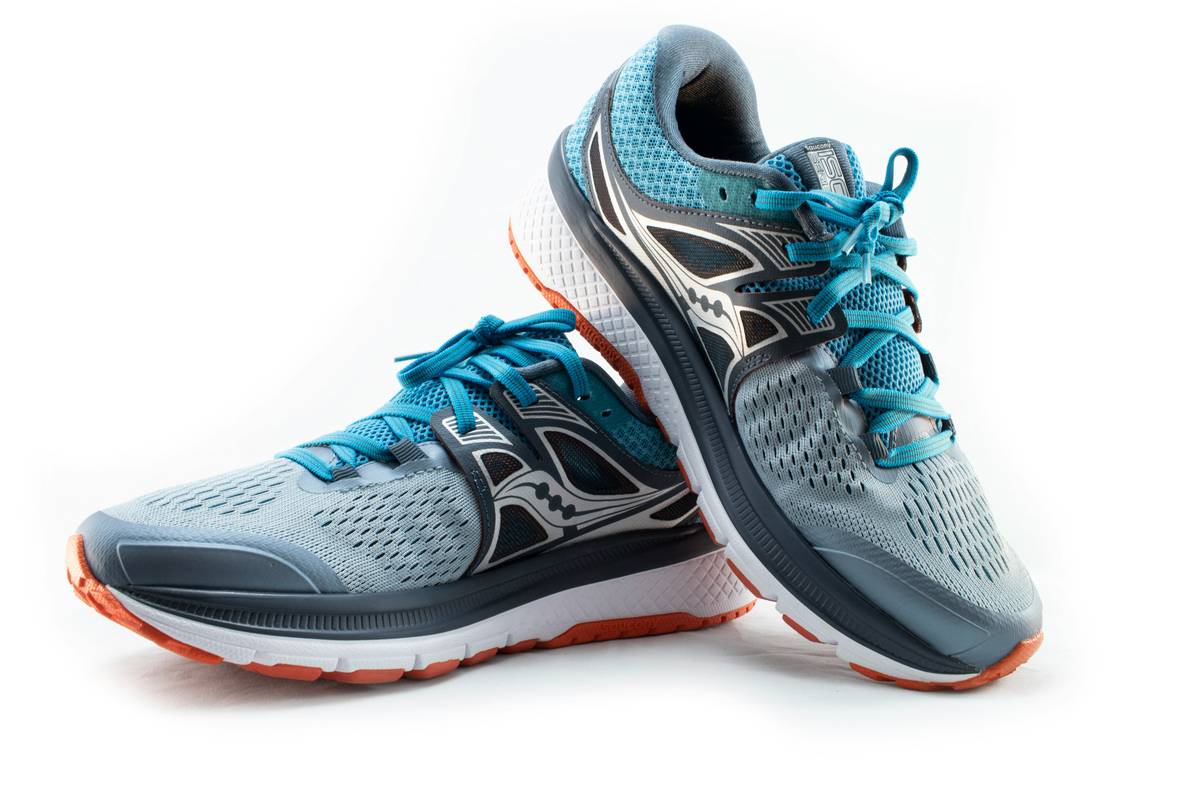
If you’ve ever laced up your sneakers, jogged two blocks, and felt like your lungs were staging a mutiny—welcome to the club. Most beginner runners quit within weeks because they follow bad advice, skip recovery, or push too hard too soon. But what if your first running workout for beginners actually felt sustainable, even enjoyable? This guide—crafted from real stumbles and science-backed strategies—walks you through exactly how to start running without wrecking your knees or motivation.
Table of Contents
- Why Beginners Struggle (And Why Online Guidance Matters)
- Your Step-by-Step Running Plan
- Top Best Practices for New Runners
- Real Results from Beginners Like You
- Frequently Asked Questions
Key Takeaways
- Start with walk-run intervals—not continuous running—to build endurance safely.
- Invest in proper footwear; improper shoes cause 30% of common running injuries (per the American Academy of Orthopaedic Surgeons).
- Consistency beats intensity: Three 20-minute runs per week yield better long-term results than one grueling weekend session.
- Your first running workout for beginners should prioritize form and breathing over speed or distance.
Why Beginners Struggle (And Why Online Guidance Matters)
In the world of online education, fitness content is often a mix of influencer hype and outdated myths. Unlike structured academic topics, “running workout for beginners” advice floats around social media with zero oversight—leading many to believe they must run 5K on day one or wear minimalist shoes to be “authentic.” I once made this mistake myself: inspired by a viral TikTok, I ditched my supportive trainers for “barefoot-style” shoes and attempted a 3-mile run. Result? Plantar fasciitis that sidelined me for six weeks.
The truth? Running is simple—but not easy. According to the CDC, regular cardio like running reduces risk of heart disease, type 2 diabetes, and depression. Yet without proper guidance, beginners face high injury rates and burnout. That’s where credible, experience-based digital resources become essential. When done right, an online running workout for beginners can be your virtual coach, physiotherapist, and cheerleader—all in one.

Your Step-by-Step Running Plan
Week 1: Walk-Run Intervals
Alternate 1 minute of jogging with 2 minutes of brisk walking. Repeat for 20 minutes, three times this week. Focus on relaxed shoulders and midfoot strikes—not heel pounding.
Week 2–3: Build Duration, Not Speed
Increase jogging to 2 minutes, keep walking at 2 minutes. Total time: 25 minutes. Never increase weekly mileage by more than 10%—a rule backed by sports medicine experts to prevent overuse injuries.
Week 4+: Add Consistency
Aim for three sessions per week. Only after four pain-free weeks should you consider extending a single run beyond 30 minutes. Remember: progress isn’t linear. Some days will feel harder—and that’s normal.
Top Best Practices for New Runners
- Warm up properly: Skip static stretching pre-run. Instead, do dynamic moves like leg swings and high knees for 5 minutes (CDC guidelines support this approach).
- Hydrate smartly: Drink 16 oz of water 2 hours before running. For runs under 45 minutes, water is enough—no need for sugary sports drinks.
- Track effort, not pace: Use the “talk test.” If you can speak full sentences while running, you’re in the right zone.
- Avoid this terrible tip: “No pain, no gain” is dangerous advice for beginners. Discomfort is okay; sharp pain is not. Stop immediately if you feel joint pain or stabbing sensations.
Real Results from Beginners Like You
Last year, a 42-year-old teacher followed a structured beginner plan similar to the one above. Starting with 20-minute walk-jog sessions three times a week, she completed her first 5K in 10 weeks—without injury. Her key insight? “I stopped comparing my pace to Strava warriors and focused on showing up consistently.”
Data supports this: A 2022 study published in the Journal of Sports Sciences found that 83% of beginners who used gradual progression protocols stuck with running for over six months, versus just 41% who tried to run continuously from day one. Your first running workout for beginners sets the tone—make it kind, not punishing.
At Manasquan Pop Warner, we believe community fuels progress. Whether you’re training for health or fun, your journey matters. And if you hit a plateau or need personalized tips, don’t hesitate to contact us. We’re here to help—not sell you supplements.
Frequently Asked Questions
How often should a beginner run each week?
Three non-consecutive days (e.g., Monday, Wednesday, Saturday) allows muscle recovery while building consistency. Rest days are non-negotiable for injury prevention.
What’s the best time of day to run?
Whenever you’ll actually do it! Morning runs boost consistency for many, but evening runs work better for others. The key is routine—not the clock.
Do I need special gear for my first running workout for beginners?
Beyond well-fitted running shoes (get fitted at a specialty store), no. Avoid cotton shirts—they trap sweat. Moisture-wicking fabrics are ideal, but a clean T-shirt works fine to start.
Can I run if I’m overweight?
Absolutely. Running is weight-inclusive. Start with walk-run intervals to reduce joint impact. Consult your doctor if you have cardiovascular concerns—but for most, running is safe and beneficial regardless of size.
Should I stretch after running?
Yes. Post-run static stretching (holding each stretch 30 seconds) improves flexibility and may reduce soreness. Focus on hamstrings, quads, calves, and hip flexors.
Is it normal to feel out of breath?
Yes—especially at first. But if you’re gasping or dizzy, slow down. Controlled breathing (inhale 3 steps, exhale 2 steps) helps regulate oxygen intake.
Starting your running journey doesn’t require perfection—just patience. Every elite runner was once where you are now: tying their laces with equal parts hope and doubt. Stick with your running workout for beginners, honor your body’s signals, and celebrate showing up. Ready to take the next step? Reach out to us—we’d love to hear how your first mile went. And remember: the only wrong way to run is to never start. Your feet already know the rhythm. Just trust them.