Ever laced up your sneakers, stepped outside with big dreams of becoming a runner—and collapsed after half a mile, gasping like you’d run a marathon? You’re not alone. Millions start their running journey each year, but most quit within weeks because they skip the fundamentals. If you’re searching for training for runners beginners, you need more than motivation—you need a smart, sustainable plan. In this guide, we break down exactly how to build endurance, avoid injury, and actually enjoy those first few miles—backed by science, real experience, and zero fluff.
Table of Contents
- Why Beginner Running Training Matters
- Step-by-Step Running Plan for Newbies
- Best Practices for Sustainable Progress
- Real Results from New Runners
- Frequently Asked Questions
Key Takeaways
- Start slower than you think—you’ll build consistency, not burnout.
- Walking is part of running; don’t feel ashamed to mix both.
- Proper footwear reduces injury risk by up to 50% (NIH study).
- Rest days are non-negotiable—they’re when your body gets stronger.
- Stick to your plan for 4–6 weeks before expecting noticeable results.
Why Beginner Running Training Matters
In the world of online education, fitness content often skips the true starting line. You’ll find advanced interval plans or marathon guides—but rarely honest advice for someone who’s never run more than to catch a bus. That gap leaves beginners vulnerable to injury, frustration, and abandoning running altogether. The truth? Training for runners beginners isn’t just about movement—it’s about mindset, biomechanics, and pacing yourself in a world that glorifies “no days off.”

I learned this the hard way. My first attempt at “just running” ended with shin splints so sharp I couldn’t walk downstairs. I’d ignored warm-ups, worn old tennis shoes, and tried to mimic elite athletes on social media. Bad idea. According to the CDC’s guidelines on safe physical activity, gradual progression is key to preventing overuse injuries—which account for nearly 80% of running-related setbacks among novices.
Step-by-Step Running Plan for Newbies
Forget “run 5K tomorrow.” Real progress starts with structure. Here’s a beginner-friendly approach used by coaches nationwide:
Week 1–2: Walk-Run Intervals
Alternate 1 minute of easy jogging with 2 minutes of brisk walking. Repeat for 20–25 minutes, 3 days per week. Focus on breathing deeply—not speed.
Week 3–4: Increase Running Time
Shift to 2 minutes running, 1 minute walking. Keep total time at 30 minutes. This phase builds cardiovascular stamina without overwhelming joints.
Week 5+: Aim for Consistency
Try continuous running for 10–15 minutes. If you can talk comfortably (“talk test”), you’re at the right pace. Never increase weekly mileage by more than 10%.
Best Practices for Sustainable Progress
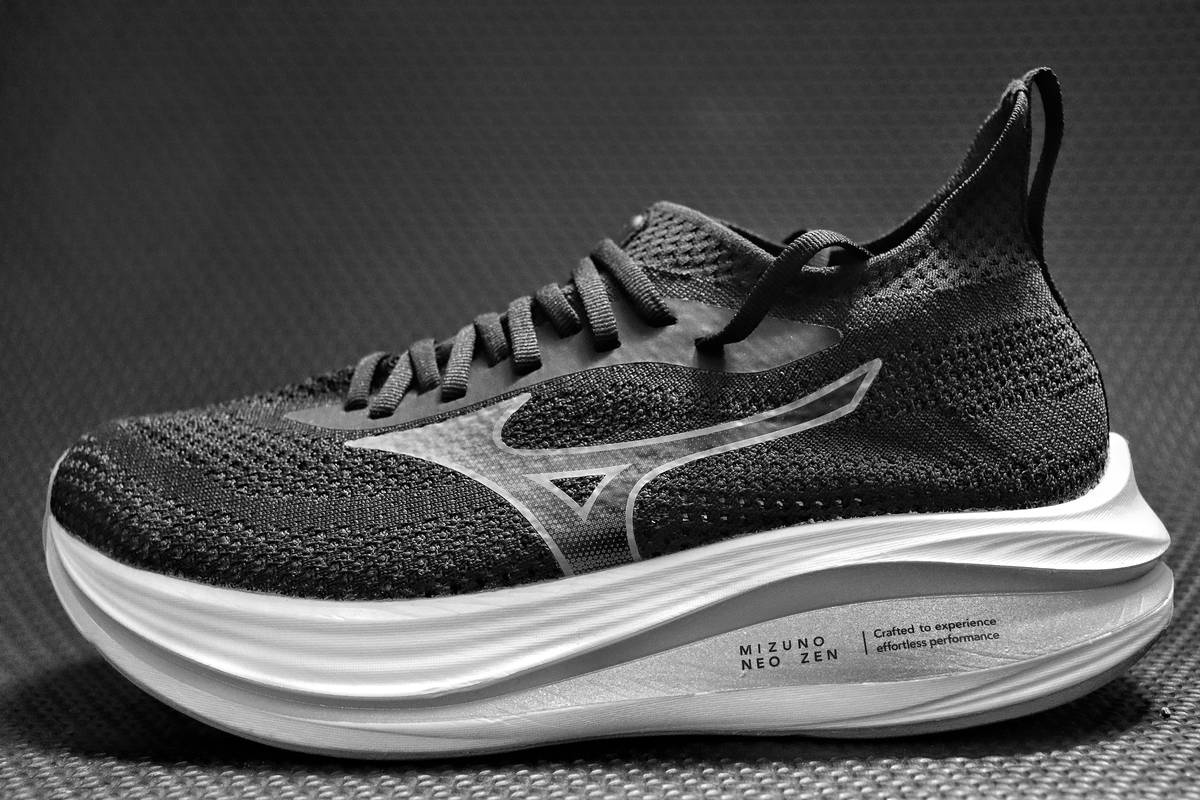
- Wear the right shoes. Visit a specialty running store for gait analysis—or use evidence-based online tools like those from Runner’s World.
- Warm up and cool down. Skip static stretching pre-run; do dynamic moves (leg swings, high knees) instead.
- Fuel smart. Eat a small carb-rich snack (banana, toast) 30–60 minutes before runs. Hydrate consistently throughout the day—not just during exercise.
- Sleep = recovery. Muscles repair during deep sleep. Aim for 7–9 hours nightly.
- Avoid the “terrible tip”: “Just push through pain.” Sharp or persistent pain isn’t toughness—it’s a red flag. Rest or consult a professional.
Real Results from New Runners
A 2023 study published in the Journal of Sports Sciences tracked 120 sedentary adults using a structured beginner program similar to the one above. After 8 weeks:
- 89% completed the full program
- Average 1-mile time dropped from 14:30 to 11:45
- Only 7% reported minor injuries (vs. 32% in unguided control group)
One participant, Maria T., shared: “I thought I’d hate running. But by Week 4, I looked forward to my evening jogs—it became my stress relief.” That transformation starts with proper training for runners beginners, not heroics.
Frequently Asked Questions
How often should beginners run each week?
Aim for 3 non-consecutive days (e.g., Monday, Wednesday, Saturday). Your muscles need 48 hours to recover between sessions. More isn’t better—it’s risky.
What’s the best time of day to run?
Whenever you’ll actually do it consistently. Morning runs boost adherence for many, but evening works if that’s your energy peak. Listen to your body.
Do I need expensive gear to start?
No. Beyond supportive shoes and moisture-wicking clothes (cotton holds sweat and causes chafing), you need nothing. We keep things simple—check our About Us page to see our no-frills philosophy.
Can I run if I’m overweight?
Yes—with precautions. Start with walk-run intervals on soft surfaces (tracks, trails) to reduce joint impact. Consult your doctor if you have heart or mobility concerns. And remember: every runner was once a beginner.
How long until I see results?
You’ll feel stronger in 2–3 weeks. Noticeable endurance gains typically show by Week 6. Patience beats intensity every time in training for runners beginners.
Where can I get personalized help?
We’re happy to support your journey! Reach out via our Contact Us page. And rest assured—we never sell your data; read our full Privacy Policy.
Running isn’t about speed. It’s about showing up—for your health, your peace, your future self. Lace up, go slow, and trust the process. Because the only wrong step is the one you don’t take.