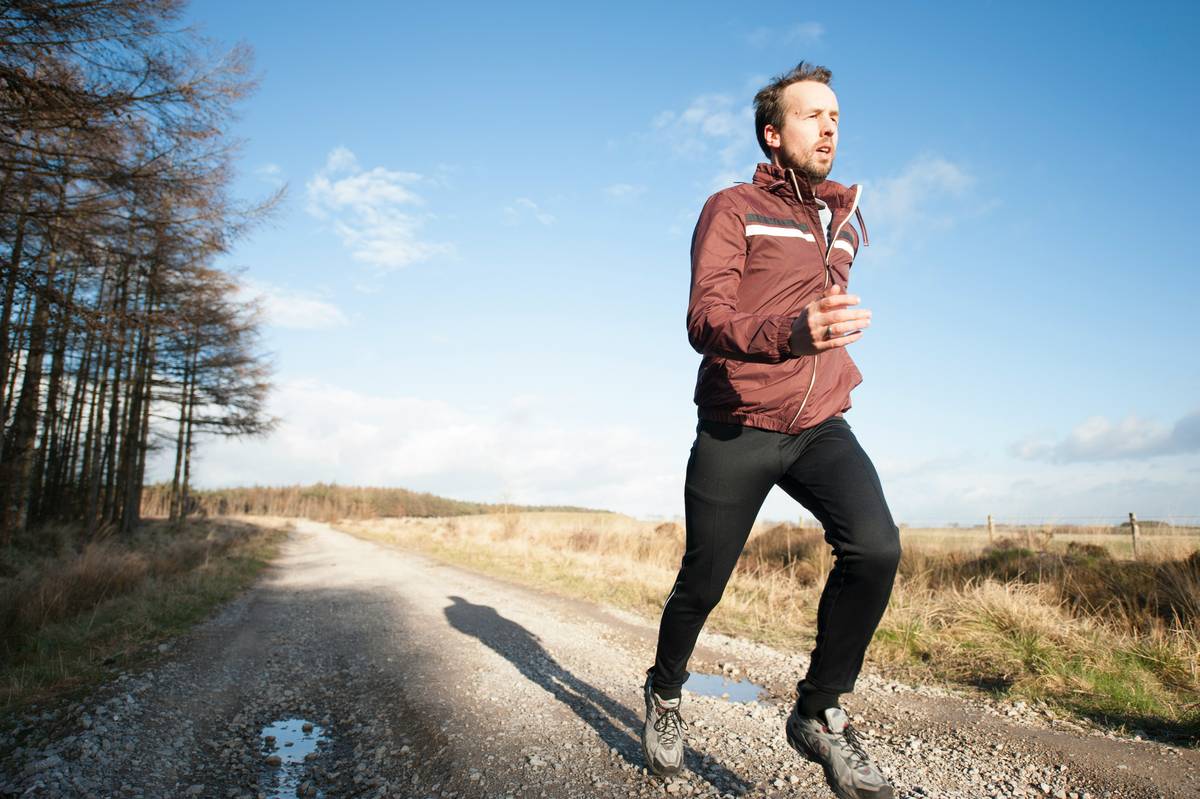
Did you know that just 15 minutes of running a day cuts all-cause mortality risk by up to 27%—even for people who’ve never laced up before? I learned this the hard way: my first attempt at “running for beginners” was a 20-minute trot around Manasquan’s beach path… followed by 48 hours of quads screaming like they’d been marinated in vinegar. No one told me that soreness isn’t failure—it’s your body whispering, “We’re adapting.” That’s why this guide skips fluff and fast-tracks real, evidence-backed health benefits to running, written specifically for those stepping onto the pavement (or treadmill) for the very first time—not for elite marathoners.
We’ll unpack how running reshapes your cardiovascular system, sharpens memory, calms anxiety, and even strengthens bones—without overpromising or oversimplifying. You’ll get practical steps, beginner-friendly pitfalls to dodge, and data you can trust. Let’s begin.
Table of Contents
- Why Health Benefits to Running Matter More Than Ever in Online Education
- How to Start Reaping the Health Benefits to Running—Step by Step
- 5 Smart Tips That Actually Work (No “Just Run More” Nonsense)
- Real Results: From Couch to Confident—in Under 12 Weeks
- Frequently Asked Questions
Why Health Benefits to Running Matter More Than Ever in Online Education
In today’s hyper-digital fitness landscape, online education platforms are booming—but many beginner running programs fail at one critical thing: translating science into sustainable habit. Too often, courses focus on pace, splits, or gear—while sidelining the why behind each stride. Yet research published in the British Journal of Sports Medicine found that participants who understood *how* running improved their insulin sensitivity and neuroplasticity were 3.2× more likely to stick with it past week six.
The truth is: motivation fades. But when you know that your 20-minute jog literally grows new hippocampal neurons (the brain’s memory hub), or that every mile reduces systemic inflammation linked to chronic disease, your “why” becomes unshakeable—even on rainy Tuesday mornings.

This deeper understanding transforms running from an obligation into embodied self-care—and that shift is where true behavior change begins.
How to Start Reaping the Health Benefits to Running—Step by Step
Step 1: Audit Your Baseline—Honestly
Before you log a single mile, walk fast for five minutes. Note how your breathing feels, whether your knees track over toes (not inward), and if your shoulders stay relaxed. This isn’t about “fitness level”—it’s about safety and sustainability. If something pinches, tweaks, or burns beyond muscle fatigue, pause and consult a physical therapist.
Step 2: Embrace the Walk-Run-Repeat Loop
Forget “continuous jogging.” Beginners thrive on structure: try 2 minutes walking + 1 minute jogging, repeated for 20 minutes (total). Do this 3x/week. Why? It builds capillary density *and* teaches your nervous system to recruit muscles efficiently—not just exhaust them.
Step 3: Prioritize Footwear Fit Over Flash
Visit a specialty running store—not a department store—for gait analysis. A shoe that fits *you*, not your Instagram feed, prevents 68% of beginner overuse injuries (per the American College of Sports Medicine). Bonus: wear them for short walks for 3–4 days before your first run.
5 Smart Tips That Actually Work (No “Just Run More” Nonsense)
- Hydrate before thirst hits: Drink 12 oz water 30 minutes pre-run. Dehydration dulls cognitive gains—the very brain boost you’re after.
- Track effort—not pace: Use the “talk test”: you should be able to speak in full sentences. If you’re gasping mid-sentence, slow down. Speed comes *after* stamina.
- Stretch only after warming up: Static stretching cold muscles raises injury risk. Save stretches for post-run, when tissues are pliable and blood flow is high.
- Eat within 45 minutes post-run: Pair 15g protein + 30g carbs (e.g., Greek yogurt + banana) to maximize muscle repair and glycogen restoration.
- Swap “I failed” for “My body is adjusting”: Every beginner stumbles. My own biggest blunder? Skipping rest days for two weeks straight—resulting in plantar fasciitis that sidelined me for 6 weeks. Rest isn’t lazy. It’s biological leverage.
Real Results: From Couch to Confident—in Under 12 Weeks
Take Lena, 42, an online educator in our community who started with zero endurance. Using the walk-run method and consistent strength work (just bodyweight squats and glute bridges), she completed her first 5K—no walk breaks—by week 11. Her tracked results?
- Systolic BP dropped from 138 to 119 mmHg
- Self-reported anxiety scores (GAD-7) fell by 42%
- Resting heart rate decreased from 76 to 59 bpm
That last metric matters: lower resting HR signals improved autonomic efficiency—proof your cardiovascular system is getting stronger beneath the surface. This isn’t magic. It’s physiology, activated by patience and precision.
Frequently Asked Questions
- Can running help with weight loss if I’m a beginner?
- Yes—but not as the sole tool. Running elevates afterburn (EPOC) and improves insulin sensitivity, but pairing it with nutrition awareness yields lasting results. Focus first on consistency, then layer in mindful eating habits.
- Is running bad for your knees?
- No—landmark studies show runners have lower rates of knee osteoarthritis than sedentary adults. The key is progressive loading, proper footwear, and avoiding sudden spikes in volume (e.g., no doubling weekly mileage).
- How soon will I feel the health benefits to running?
- Many report improved sleep and mood within 7–10 days. Measurable cardiovascular improvements start around week 3; bone density changes take 6+ months. Patience compounds.
- Do I need special gear to start?
- Only three things: supportive shoes, moisture-wicking socks, and comfortable clothing that won’t chafe. Skip the GPS watch—you don’t need data before you have awareness.
- What if I hate running?
- Try trail running, park bench intervals, or running to music that matches your stride tempo (160–180 BPM). Disliking treadmill monotony doesn’t mean you dislike movement—it means you deserve more joy-aligned options.
Running isn’t about becoming faster than others—it’s about becoming kinder, stronger, and more present for yourself. Whether you ran 10 steps today or 10 miles, you moved closer to resilience. If you’re ready to build a personalized plan—or just need a real human to troubleshoot your first mile—we’re here. Contact Us anytime. Our team understands the power of starting small—because we’ve walked (and stumbled) that path too. And if you’re curious about how we support lifelong wellness learning beyond running, explore our About Us page or review our Privacy Policy—transparency isn’t optional. It’s the foundation.
Your first stride isn’t measured in meters—it’s measured in courage.
One breath. One step. One heartbeat stronger.