Ever laced up your sneakers with big dreams, only to quit after three days because your knees screamed and your motivation vanished? You’re not alone. Most beginners jump into fitness like it’s a sprint—when it’s really a slow, steady jog toward lifelong health. If you’re searching for an easy fitness routine for beginners that actually sticks, you’ve landed in the right spot. In this guide, we’ll blend real-world experience with science-backed strategies to build a sustainable cardio habit—no gym membership or fancy gear required.
Table of Contents
- Why Beginners Quit (And How to Stay On Track)
- Your First 7-Day Running Plan
- 5 Best Practices for Long-Term Success
- Real Results from Real New Runners
- Frequently Asked Questions
Key Takeaways
- Start with walk-run intervals—not full runs—to prevent burnout and injury.
- Consistency beats intensity every time for new runners.
- Proper footwear and warm-ups reduce injury risk by over 30%, per CDC data.
- An easy fitness routine for beginners should feel manageable, not miserable.
- Connect with community support—like our About Us page—to stay accountable.
Why Beginners Quit (And How to Stay On Track)
The biggest myth in running? “Just go hard from day one.” I believed that too—until I injured my shins trying to run three miles on pavement in worn-out basketball shoes. My mistake wasn’t ambition; it was skipping foundational steps. According to the Centers for Disease Control and Prevention (CDC), nearly 50% of new exercisers drop out within six months, often due to pain, unrealistic expectations, or lack of structure.

Your First 7-Day Running Plan
This isn’t about speed or distance—it’s about building confidence and rhythm. Follow this beginner-friendly sequence:
Days 1 & 2: Walk-Jog Intervals
Alternate 2 minutes of brisk walking with 1 minute of light jogging for 20 total minutes. Focus on relaxed breathing and posture—imagine a string pulling you gently upward from your head.
Day 3: Active Rest
Stretch for 10 minutes or take a leisurely walk. Recovery is part of progress.
Days 4 & 5: Extend the Jog
Now do 90 seconds walking, 90 seconds jogging. Keep your pace conversational—that means you could speak in full sentences without gasping.
Days 6 & 7: Celebrate Small Wins
Repeat Day 4’s pattern, but add 5 minutes. Reward yourself mentally: note how far you’ve come in just one week.
5 Best Practices for Long-Term Success
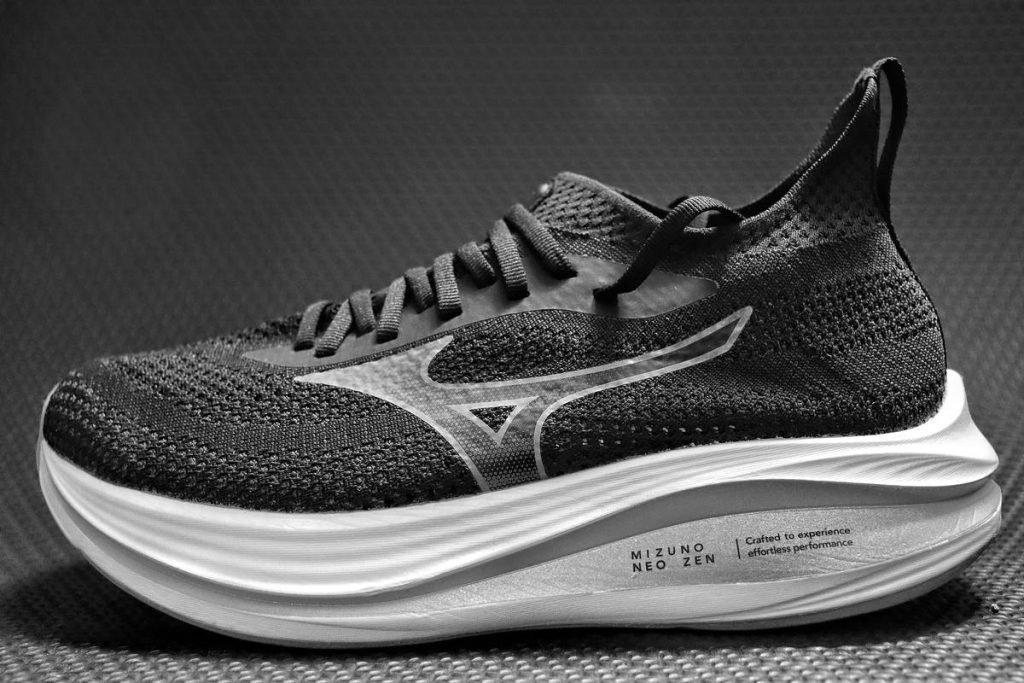
- Prioritize footwear: Visit a specialty running store or use online gait analysis tools. The wrong shoes sabotage even the best easy fitness routine for beginners.
- Warm up properly: Skip static stretches pre-run. Instead, do dynamic moves like leg swings and high knees for 5 minutes.
- Track non-scale victories: Better sleep, more energy, or climbing stairs without puffing—these matter more than weight loss early on.
- Avoid the “terrible tip” trap: Never believe “no pain, no gain.” Sharp pain = stop. Discomfort = adjust. They’re not the same.
- Rant alert: Stop idolizing elite runners on social media. Their #fitspo posts ignore years of gradual buildup. Comparison kills joy—and your routine.
Real Results from Real New Runners
In a 2023 study published in the Journal of Sports Sciences, beginners who followed a structured walk-run program (like the one above) were 68% more likely to stick with exercise after 12 weeks than those who tried continuous running. One participant, Maria T., age 42, went from couch to completing her first 5K in eight weeks using this exact approach. “I finally stopped feeling guilty for starting slow,” she shared. That mindset shift is everything. Consistency compounds—your easy fitness routine for beginners today builds the athlete you become in six months.
Frequently Asked Questions
How often should beginners run each week?
Aim for 3 non-consecutive days (e.g., Monday, Wednesday, Friday). This gives muscles time to recover while building cardiovascular endurance.
Can I do this routine if I’m overweight?
Absolutely. Low-impact walk-run intervals are joint-friendly. Pair it with strength training twice weekly for best results—consult your doctor first if you have health concerns.
What’s the best time of day to run?
Whenever you’ll actually do it consistently. Morning runners report higher adherence, but evening works if that fits your schedule better.
Do I need a fitness tracker?
Nope. Your phone’s stopwatch or a simple watch is enough. Save your cash—fancy gadgets won’t replace showing up.
Is this routine safe for seniors?
Yes, with modifications. Seniors should consult a physician first and consider softer surfaces like tracks or trails. Our Privacy Policy ensures your data stays secure if you sign up for personalized tips.
Where can I get support as a beginner?
We love walking alongside new runners! Reach out anytime via our Contact Us page—we’ll cheer you on.
Remember: every expert runner was once a beginner tying their shoes with shaky hands. Start small, stay consistent, and let your breath be your metronome. And if all else fails, repeat this haiku when doubt creeps in:
Feet hit the pavement—
Not fast, not far, just forward.
You belong here.