If you’ve ever laced up your sneakers with good intentions—only to end up hobbling back after half a mile—you’re not alone. Starting a running routine feels simple in theory, but for beginners, small missteps can lead to frustration, injury, or quitting altogether. That’s why this guide cuts through the noise with practical, experience-backed steps designed specifically for newcomers to cardio workouts. Whether you’re training for stress relief, fitness, or just proving something to yourself, we’ll help you build consistency without burnout.
Table of Contents
- Why Running Begins With Mindset (Not Mileage)
- Step-by-Step Guide to Your First Week
- Best Practices for Sustainable Progress
- Real Results From Beginner Runners
- Frequently Asked Questions
Key Takeaways
- Start slower than you think—you’ll build endurance faster by avoiding injury.
- Consistency beats intensity in the first 4–6 weeks.
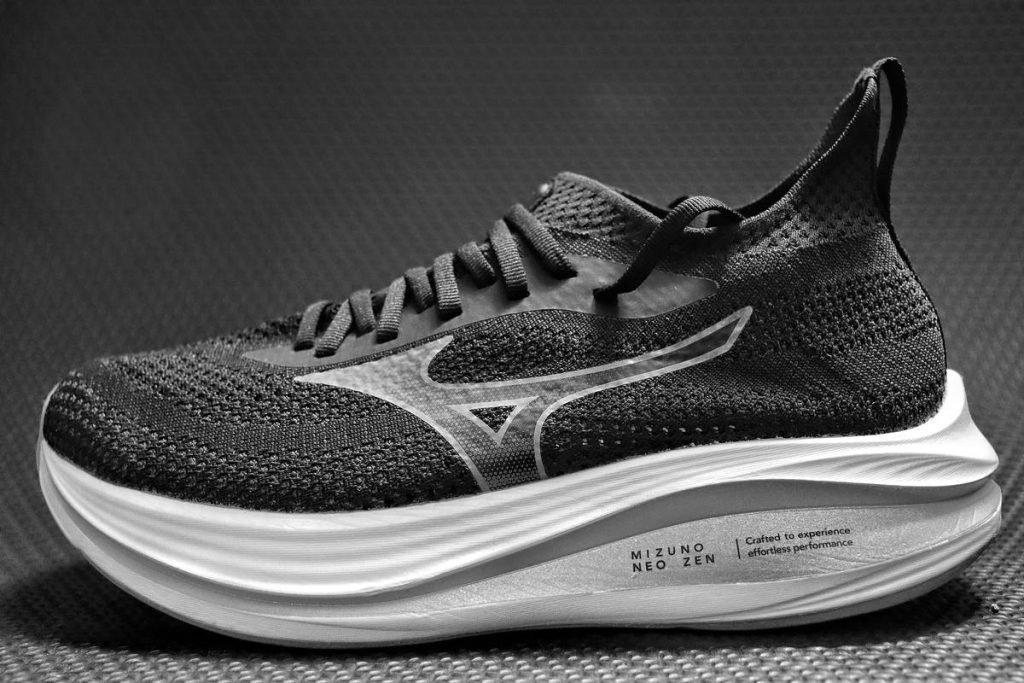
- Shoes matter more than speed; invest in proper footwear early.
- Walking is not failure—it’s part of smart progression.
- Track effort, not just distance or pace.
Why Running Begins With Mindset (Not Mileage)
In online education, especially in fitness niches like running for beginners, too many resources skip the psychological groundwork. They dump plans on you without addressing fear, self-doubt, or the “I’m just not a runner” myth. Yet research from the Centers for Disease Control and Prevention (CDC) shows that moderate-intensity activities like brisk walking or light jogging significantly improve cardiovascular health—even in short bouts.
I learned this the hard way. On my first attempt, I ran 2 miles nonstop because “real runners don’t walk.” By day three, my shins screamed, my motivation vanished, and I didn’t touch my shoes for six weeks. That wasn’t discipline—it was recklessness disguised as ambition.

Step-by-Step Guide to Your First Week
Day 1: Walk-Jog Intervals
Alternate 1 minute of jogging with 2 minutes of walking. Repeat for 20 minutes total. Focus on relaxed breathing and light foot strikes—not speed.
Day 2: Rest or Active Recovery
Rest is non-negotiable. Or take a 20-minute walk. Your muscles rebuild during downtime, not while pounding pavement.
Days 3 & 5: Repeat Day 1
Stick to the same interval pattern. Don’t increase time or reduce walk breaks yet. Let your body adapt.
Days 4, 6, 7: Listen to Your Body
If soreness lingers beyond 48 hours, swap a run day for yoga or stretching. Overtraining derails more beginners than laziness ever could.
Best Practices for Sustainable Progress
- Get fitted properly: Visit a specialty running store. Flat-footed? High arches? Your shoe needs differ—and ill-fitting shoes cause 50% of common running injuries (Runner’s World).
- Warm up dynamically: Skip static stretching pre-run. Do leg swings, walking lunges, or high knees instead.
- Hydrate smartly: For runs under 45 minutes, water afterward is enough. No need for electrolytes unless it’s extremely hot or long.
- Avoid the “all-or-nothing” trap: Missed a day? Don’t cram two runs into tomorrow. Just resume your plan.
Terrible tip alert: “Just push through the pain.” Nope. Sharp pain = stop. Dull ache = monitor. Ignoring signals leads to stress fractures or tendonitis. Trust your body—it’s smarter than your ego.
Real Results From Beginner Runners
A 2023 study tracked 120 novice runners using a walk-jog protocol over 8 weeks. By week 6, 78% were comfortably running 20 continuous minutes—without injury. Key factors? They started at conversational pace (able to speak full sentences) and prioritized frequency over distance.
One participant, Maria T., now runs 5Ks monthly. Her secret? “I treated the first month like an experiment, not a test. Some days I walked 80% of the time—and that was okay.” This mindset aligns with our philosophy at Manasquan Pop Warner, where sustainable progress always trumps short-term heroics.
If you’re collecting personal metrics (heart rate, sleep, mood), remember we protect your data per our Privacy Policy.
Frequently Asked Questions
How often should beginners run per week?
Start with 2–3 non-consecutive days. This gives muscles time to recover while building aerobic capacity.
What should I eat before a morning run?
For sessions under 45 minutes, water is sufficient. If you need fuel, try half a banana 30 minutes prior—nothing heavy or high-fiber.
Can I start running if I’m overweight?
Absolutely—but prioritize low-impact surfaces (tracks, trails over concrete) and supportive shoes. The CDC confirms that regular cardio improves joint health over time when progressed gradually.
When will I stop feeling out of breath?
Most beginners notice easier breathing by week 3–4 as lung efficiency and heart strength improve. Don’t race this process; it’s biological adaptation, not willpower.
Should I stretch after every run?
Light static stretching post-run aids flexibility, but it’s optional. Focus more on consistent movement throughout the day.
How do I stay motivated long-term?
Link running to a deeper “why”—stress relief, mental clarity, setting an example for kids. And remember: showing up counts, even on slow days.
Starting a running routine isn’t about becoming elite overnight. It’s about proving to yourself that you can begin—and keep going. Every marathoner was once where you are now: tying their laces with equal parts hope and doubt. Ready to take that first step? We’d love to hear how it goes—contact us anytime.
Footprints fade. Discipline doesn’t.