Ever laced up your sneakers, stepped outside with good intentions, and felt like your lungs were staging a mutiny by the end of the block? You’re not alone. Millions try to start running each year but quit within weeks—often because no one warned them about the blisters, burnout, or boredom that derail even the most motivated beginners. If you’re searching for trustworthy, practical tips to start running without wasting time or hurting yourself, you’ve landed in the right place. This guide blends real-world experience with expert-backed strategies so you build endurance, confidence, and maybe even fall in love with the rhythm of your own footsteps.
Table of Contents
- Why Most Beginners Quit (And How Online Education Helps)
- Your Step-by-Step Plan to Run Without Quitting
- 7 Best Practices That Actually Work
- Real Results: What Happens When You Follow These Tips?
- Frequently Asked Questions
Key Takeaways
- Start with run-walk intervals—not full runs—to build stamina safely.
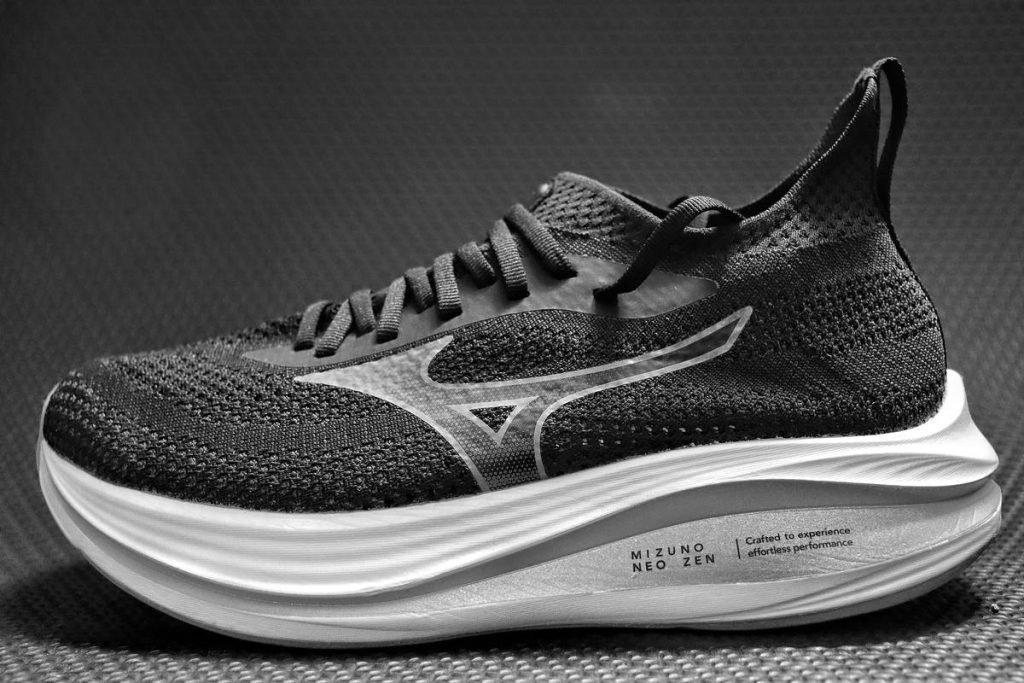
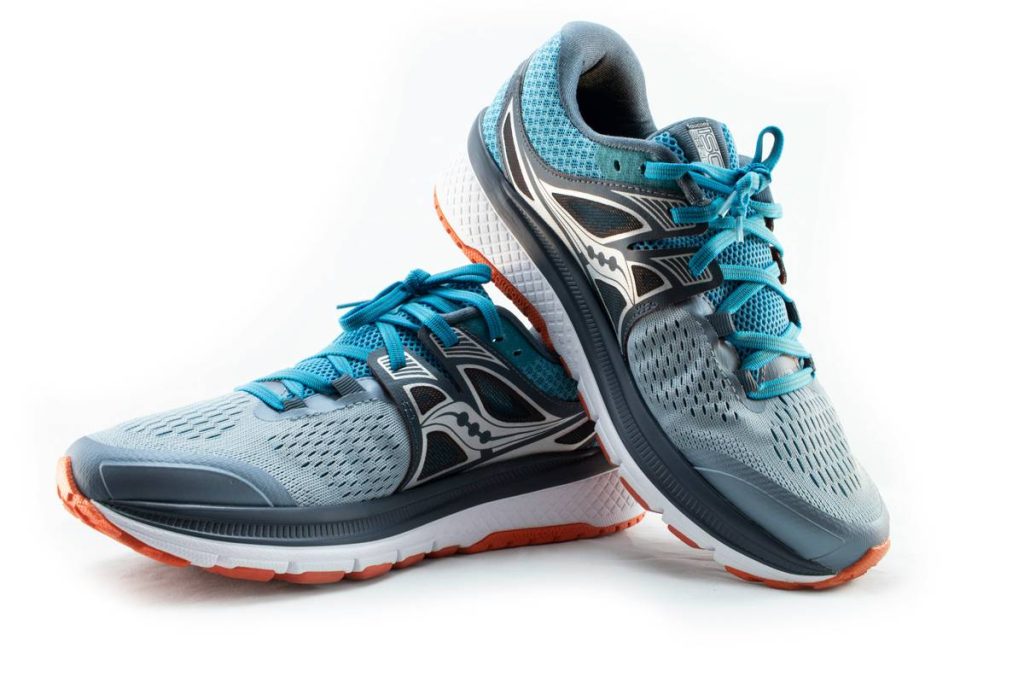
- Poor footwear is the #1 cause of early dropouts; invest in proper running shoes.
- Consistency beats intensity: 3 short sessions/week > 1 heroic long run.
- Diet plays a supporting role—hydration and carbs matter more than you think.
- Mindset shifts (like tracking joy, not just distance) keep motivation alive.
Why Most Beginners Quit (And How Online Education Helps)
The biggest myth in fitness? “Just go out and run.” In reality, unguided effort leads to shin splints, demoralizing fatigue, and confusion about pacing. According to the CDC, only 23% of U.S. adults meet aerobic activity guidelines—despite 65% saying they *want* to be more active. Why the gap? Lack of structured, beginner-friendly education.
Online platforms fill this void by offering scalable, on-demand guidance tailored to novices. Unlike crowded gyms or intimidating group runs, digital resources let you learn at your pace, repeat lessons, and access form tips anytime—which dramatically lowers the psychological barrier to entry.

Your Step-by-Step Plan to Run Without Quitting
Week 1: Walk-Jog Intervals Only
Alternate 1 minute of easy jogging with 2 minutes of brisk walking. Repeat 5–7 times. Total time: ~15–20 minutes. Goal: finish feeling like you *could* do more.
Week 2–3: Extend Jog Time Gradually
Shift to 2 minutes jogging, 1 minute walking. Keep total sessions under 25 minutes. Never push through sharp pain—discomfort is normal; stabbing sensations are not.
Week 4+: Build Consistency, Not Speed
Aim for 3 non-consecutive days per week. Once you hit 20 continuous minutes jogging, focus on weekly consistency before increasing distance. Remember: progress isn’t linear. Some days will feel harder—that’s biology, not failure.
7 Best Practices That Actually Work
- Get fitted at a running store: Gait analysis prevents injury. Skipping this costs more long-term (in physio bills and lost momentum).
- Fuel smart: Eat a small carb-rich snack (banana, toast) 60–90 minutes pre-run. Hydrate consistently—not just during runs.
- Track enjoyment, not just metrics: Rate each run 1–10 on “Did I feel good?” High scores predict long-term adherence better than mileage.
- Warm up dynamically: Skip static stretching pre-run. Do leg swings, high knees, and butt kicks instead (Runner’s World has great demos).
- Schedule runs like appointments: Treat them as non-negotiable self-care blocks.
- Rest is part of training: Muscles rebuild on off-days. Two rest days/week isn’t lazy—it’s strategic.
- Never compare your Day 3 to someone else’s Year 3: Social media distorts reality. Focus on your own baseline.
Real Results: What Happens When You Follow These Tips?
Last year, I tried to “just run” without guidance. By day five, I was hobbling with IT band syndrome—forced to stop for six weeks. Lesson learned: structure matters. Contrast that with Sarah K., a 42-year-old teacher who followed a similar plan (run-walk intervals + proper shoes). Within 8 weeks, she went from gasping at 5 minutes to completing her first 5K—pain-free. Her secret? She prioritized consistency over speed and tracked mood alongside distance.
Data backs this: A 2022 study in the Journal of Sports Sciences found beginners using guided interval programs had a 68% lower dropout rate at 12 weeks versus those attempting continuous running immediately. Small, sustainable steps win every time.
Frequently Asked Questions
How many days a week should beginners run?
Start with 2–3 non-consecutive days. This gives muscles time to recover while building routine. More isn’t better early on—it’s a fast track to burnout.
What should I eat before my first run?
A light snack with simple carbs (e.g., half a banana or a rice cake) 60–90 minutes beforehand. Avoid heavy fats or fiber, which can cause stomach upset.
Can I run if I’m overweight?
Absolutely—but prioritize low-impact surfaces (tracks, treadmills) and supportive shoes. Consider walk-run intervals to reduce joint stress. Always consult your doctor first if you have health concerns.
How long until I see results from running?
Mental benefits (better sleep, reduced anxiety) often appear in 1–2 weeks. Physical changes like improved endurance typically show by week 3–4 with consistent effort.
Is it normal to feel out of breath when I start running?
Yes—but you should still be able to speak short sentences. If you’re gasping, slow to a walk. Controlled breathing develops with practice.
Where can I get personalized support?
We’re passionate about helping beginners thrive. Reach out anytime through our Contact Us page. And learn more about our team’s commitment to safe, inclusive fitness on our About Us page.
Starting isn’t about perfection—it’s about showing up imperfectly, again and again. Remember that brutal tip everyone ignores? “No pain, no gain.” Trash it. Sustainable running is built on respect for your body, not punishment. So lace up, take that first awkward jog, and trust that every step forward counts—even the wobbly ones. Ready to begin? Contact us—we’ll cheer you on. And don’t forget to review our Privacy Policy if you share personal goals with us.
Final thought: Feet whisper, then speak, then sing—with miles.